

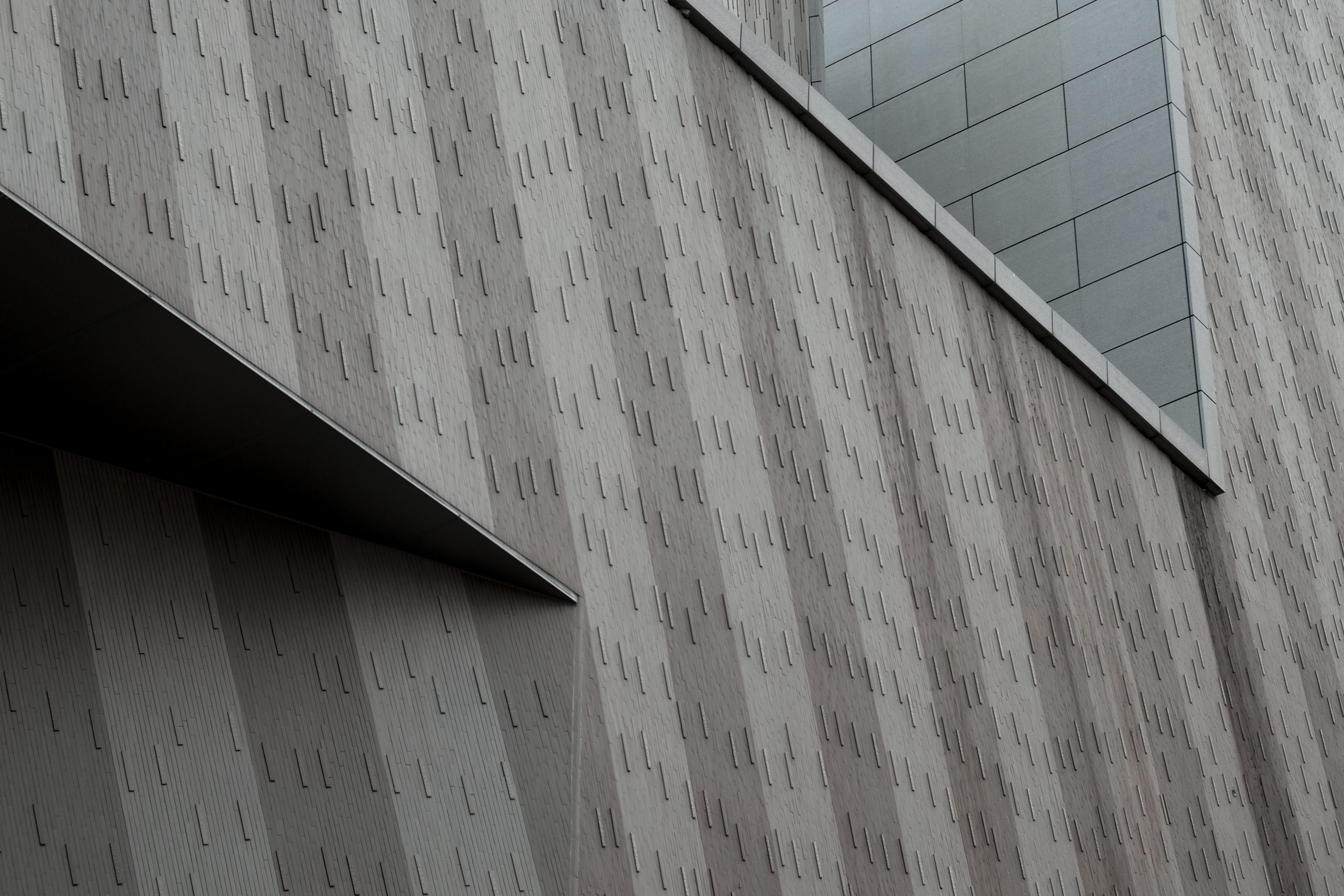
Walls define the structure and character of every building. Their appearance and performance hold significant importance in both residential and commercial spaces. Applying panels instead of traditional finishes enhances more than just aesthetics. It introduces added functionality, refined form, and long-term durability.
Wall panel benefits extend beyond enhancing aesthetics. They shield surfaces, streamline upkeep, and minimise repair demands. Whether applied indoors or outdoors, wall panels offer functional and visual advantages that surpass many conventional building materials, making them a superior choice for modern architectural and interior applications.
Understanding Wall Panels
Wall panels serve as coverings placed over walls for design or protection. They stretch from floor to ceiling or fit only partway. Designers place them on interior walls to bring texture, dimension, and warmth. Builders attach them to outdoor walls to keep damage at bay and improve surface strength.
Interior wall panels come in many finishes and textures. You can find ones shaped like wood, fabric, stone, or even metal. They fit living rooms, bedrooms, offices, shops, and more. Exterior wall panels carry added strength. They resist heat and water better than paint or raw plaster concrete wall finishes.
Easy Installation with Lasting Effect
Modern wall panels are designed for straightforward installation, requiring no specialised tools. Installers can simply apply a silicone-based adhesive to fix the panels securely in place. This method reduces both time and effort, while avoiding the mess associated with wet finishes such as paint or plaster.
No advanced skills are needed to fit wall panels, making them suitable for small DIY projects as well as large-scale construction jobs. Once installed, most panels remain firmly in place and resist peeling or cracking, which helps minimise future maintenance and repair needs.
More Design Choices for Every Space
Wall panel designs are far from limited, offering thousands of styles to suit any space. From textured stone to smooth wood, the options are virtually endless. Some panels even replicate the look of natural marble or patterned fabrics.
Interior wall panels do more than enhance aesthetics. They add rhythm to plain walls and create dynamic effects with light and shadow, giving simple spaces more depth and character. You can opt for full-height panels that extend to the ceiling or shorter versions to highlight specific accent areas.
Guarding the Walls You Rely On
Walls take impact daily. They carry knocks from people and furniture, and hold weight and withstand scratches. Plaster concrete wall surfaces often show wear quickly. They crack or crumble. Panels give your walls a skin that absorbs shock.
Some wall panels use materials built for strong protection. They can block heat, resist fire, and stay dry even in wet spaces. That makes them perfect for kitchens, entries, and bathrooms. Outside, exterior wall panels handle the weather well. They stand firm against the sun, wind, and rain.
Improving the Feel of Every Room
Wall panels help define the atmosphere of a room. They can add warmth to colder spaces and introduce texture to otherwise flat walls. A room fitted with panels often feels more welcoming and complete compared with plain, unadorned walls.
This makes wall panels an essential element in interior design. They can complement furniture and flooring, while tall or narrow styles can influence how spacious a room feels. With wall panels, you can create a cohesive look across walls without the limitations of paint or wallpaper.
Saving Time and Cost in the Long Run
While paint may seem cheaper initially, it tends to fade, stain, or chip over time, requiring regular repainting or repairs. Wallpaper can peel or tear when exposed to heat or moisture. Wall panels, by contrast, remain secure and durable for far longer.
Installing wall panels significantly reduces ongoing maintenance. They are easy to clean with a damp cloth and do not require polishing or recoating. This helps lower upkeep costs, minimise building downtime, and keeps repair and touch-up expenses under control.
Sound Reduction and Added Comfort
Wall panels also block noise. In busy homes or buildings, this makes a real difference. Thick panels prevent sound from passing between rooms. They soak up echo and reduce sharp noise. This makes rooms quieter and calmer.
Interior wall panels serve well in offices, bedrooms, and media rooms. They create peace without adding thick or costly wall structures.
Fitting Every Kind of Building
You can place panels on most surfaces. They suit new homes or older buildings, and they attach to concrete, brick, or board. You can even use them to cover uneven walls. Many builders now use them to fix damaged walls fast.
Whether used for a full wall or just a portion, panels give more shape and meaning to a space. Exterior wall panels also improve first impressions. They bring clean lines and fresh style to building fronts, entries, and balconies.
Working with Strong and Stable Materials
Wall panels are now available in a variety of durable materials. Some are made from fibreboard or wood, while others combine fabric with compressed sheets, or feature stone or resin finishes. The key is that all provide long-lasting strength and reliable performance.
Exterior wall panels offer even greater protection. They resist water and sunlight, remain securely in place without warping, and endure multiple seasons without cracking or deteriorating.
A Smarter Way to Upgrade Any Wall
When choosing how to dress your walls, think beyond basic finishes. A concrete wall with plaster finish may offer strength but little beauty. Wall panels give both, and they uplift space and protect surfaces, install quickly and stay firm.
Wall panel benefits go beyond looks. They offer long-term gains in design, upkeep, and comfort. Whether inside your living room or outside your entrance, they improve how walls perform and how they feel.
Conclusion
Wall panels offer a practical and stylish way to upgrade both interior and exterior walls. They protect surfaces, improve visual appeal, and reduce maintenance needs. With easy installation, sound reduction, and a wide range of designs, panels suit many building types and spaces. Unlike a basic concrete wall with plaster finish, panels deliver lasting performance and design value. Whether you aim to refresh a room or shield exterior walls, wall panels provide a strong, reliable, and elegant solution for every setting.
Frequently Asked Questions
What types of materials work best for wall panels?
Wall panels often use medium-density board, cork, wood, resin, or stone. Each works for different uses and locations.
Can I use wall panels on a rough wall surface?
Yes. You can mount wall panels on smooth or uneven surfaces. Some types use metal frames for added grip.
Do wall panels help reduce sound in a room?
Yes. Wall panels can absorb sound and block noise from passing between rooms.
Are exterior wall panels weatherproof?
Yes. Panels made for outdoor use resist sun, rain, and wind for long periods.
How do I clean wall panels after installation?
You can wipe most wall panels clean using a soft cloth and mild water. They do not need polishing or scrubbing.